
Client Resources
Helpful guides and information to answer your building questions — from new homes to decks and fences.
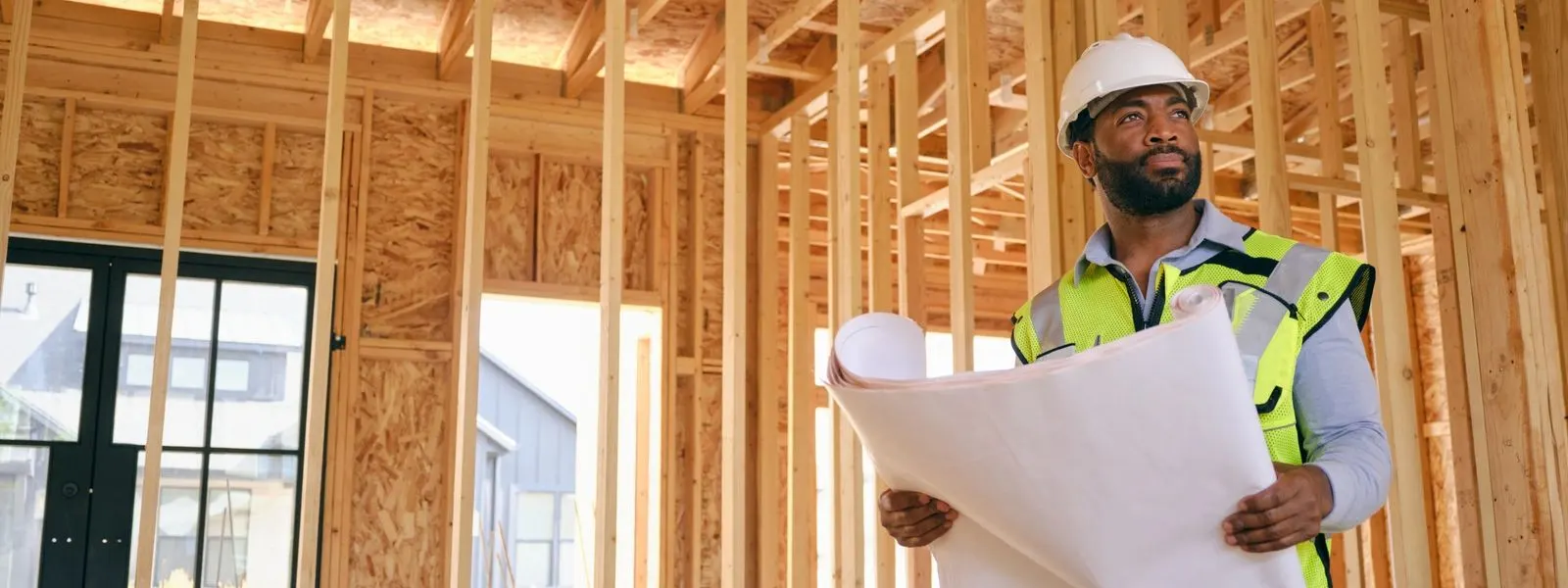
Everything You Need To Know Before You Build
Building a new home, adding a deck, or putting up a fence are significant investments. We've put together these guides to help you understand the process, what to expect, and the questions worth asking before you get started.
If you have a question that isn't covered here, give Hamish a call — we're always happy to talk through your project.
Consents, Timeframes & Costs – Explained
Planning a new home, a deck or a new fence on the Hibiscus Coast or in Rodney? Here's what's involved, how long each stage usually takes, and a realistic budget. Use our price calculators for an instant estimate, then send it to us for a free, accurate quote.
Building A New Home: The Steps
From first chat to moving in usually takes 12–20 months. Design and consenting often take as long as the build itself, so starting early saves time later.
- Brief, budget & site check1–4 weeksWe visit the site, talk through your wish list and budget, and check zoning, services and access. Order a LIM and check Auckland Council GeoMaps for overlays (flood, coastal, slope).
- Surveys & reports2–6 weeksTopographic survey and a geotechnical report (soil testing) so the foundations can be designed. Some sites also need stormwater or engineering advice.
- Concept & developed design6–12 weeksYour designer or architect draws the plans. We give pricing feedback as the design develops so it stays on budget.
- Resource consent (if needed)20 working days (statutory)Only needed if the design breaches district plan rules (height, setbacks, site coverage) or the site has overlays. Council requests for more information pause the clock.
- Building consent20 working days (statutory)Working drawings, engineering and specifications are lodged with Auckland Council. Requests for information stop the clock, so 6–10 weeks in total is common.
- Fixed-price quote & contract2–4 weeksA detailed quote from the consented plans, a written building contract, and the disclosure and checklist required for residential work over $30,000.
- Construction7–12 monthsSite works and foundations, framing, roof, joinery and cladding (closed in), then services, linings and fit-out. Council inspects at key stages.
- Code Compliance Certificate (CCC)20 working daysAfter the final inspection, council has 20 working days to issue the CCC. You receive producer statements, warranties and maintenance information.
What Does It Cost To Build In Auckland?
Construction only, per m² of floor area, incl. GST (2026 guide).
| Level | Per m² |
|---|---|
| Standard Simple plan, standard fittings | $3,200 – $3,800 |
| Mid-range Better cladding, kitchen & bathrooms | $3,800 – $4,600 |
| Premium / architectural Complex roof lines, high-end finishes | $4,600 – $6,000+ |
Allow Extra For
- Site works, retaining, driveways and service connections
- Design, engineering, surveys and geotech reports
- Council consent fees (commonly $14,000–$18,000 for a new home)
- Development contributions (around $20,000 in many Auckland areas)
- Landscaping, fencing, window coverings and a contingency
As a rule of thumb these add 20–30% on top of the construction price.
Quick Budget Calculator
Thinking Smaller? Granny Flats Up To 70m²
Since 15 January 2026, a simple standalone dwelling up to 70m² can be built without a building consent, provided it meets the Building Code, the work is done or supervised by licensed building professionals (like us), and you notify council before work starts (via a PIM) and when it's finished. Resource consent rules have been relaxed too. It's a great option for family, a home office or rental income. Ask us whether your section qualifies.
Do I Need A Consent For My Deck?
Exempt decks must still meet the Building Code and Auckland Unitary Plan rules (boundary setbacks, privacy, site coverage). We check this for you at the site visit.
How We Build Your Deck
- Free site visit & measureWithin 1–2 weeksWe check levels, ground, access and consent needs.
- Design & fixed quote1–2 weeksLayout, materials, steps and balustrade options.
- Consent (only if required)4–8 weeksPlans and engineering lodged with council.
- Piles & subframe2–4 daysPiles concreted, bearers and joists to NZS 3604.
- Decking, steps & balustrade2–7 daysBoards laid, edges trimmed, stairs and barriers fitted.
- Finish & handover1 dayTidy up, care guide, and a Record of Work where applicable.
Deck Price Calculator
Choose your options below for an instant price range, then send it to us for a free, accurate quote.
–
Fence Rules In A Nutshell
Sharing With A Neighbour
Under the Fencing Act 1978, neighbours generally share the cost of an adequate boundary fence equally. Give your neighbour a written fencing notice describing the fence, cost and timing. If you want something beyond a standard fence, you usually pay the difference.
How We Build Your Fence
- Boundary checkBefore quotingConfirm boundary pegs. A surveyor may be needed if they're missing.
- Neighbour agreementAllow 21 daysFencing notice served and cost split agreed.
- Locate services2–3 daysbeforeUdig request so posts avoid pipes and cables.
- Old fence removal & posts1–2 daysPosts set in concrete, typically every 2.4m.
- Rails, palings & capping1–3 daysRails fixed, palings nailed, capping and gates fitted.
A typical 20–30m boundary fence takes 2–4 days on site.
Fence Price Calculator
Choose your options below for an instant price range, then send it to us for a free, accurate quote.
–
Estimates are indicative only, in NZD including GST, based on typical 2026 Auckland pricing for straightforward sites. They are not a quote. Final pricing depends on a site visit, ground conditions, access, design and council requirements. Consent information is a general guide to the Building Act 2004 and may change; we'll confirm what applies to your property.
Every Site Is Different
Get an accurate, no-obligation quote from a Licensed Building Practitioner.
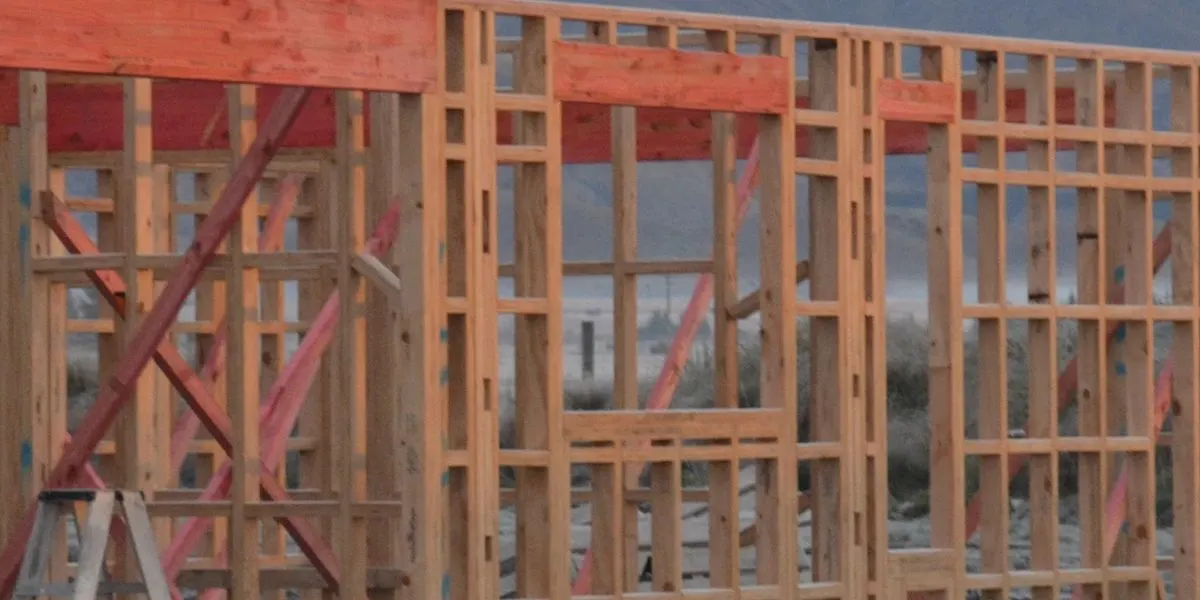
Building A New Home
Building a new home in New Zealand involves consents, licensed tradespeople, and a clear programme. Here's what you need to know.
Do I need a building consent for a new home?
Yes. All new residential builds in New Zealand require a building consent from your local council before work begins. Your builder will help you understand what documentation is needed, but the consent application is typically lodged by the homeowner or their agent.
What is a Licensed Building Practitioner (LBP)?
An LBP is a tradesperson licensed by the New Zealand government to carry out or supervise restricted building work — which includes the structural and weathertight elements of a new home. It is a legal requirement that restricted building work is done or supervised by an LBP. Hamish holds his LBP licence.
How long does it take to build a new home?
A typical new home build in the Rodney and Hibiscus Coast area takes between 6 and 12 months from consent approval, depending on the size and complexity of the design, site conditions, and material lead times. We'll give you a realistic programme at the start of your project.
What is a fixed-price contract?
A fixed-price contract sets an agreed price for the defined scope of work. Variations — changes to the scope after the contract is signed — are priced separately. It's important to have a detailed specification before signing so there are fewer surprises.
What should I look for when choosing a builder?
Look for an LBP licence, relevant experience, references from past clients, clear communication, and a builder who is local to your area. Ask to see examples of completed work and check that they carry appropriate insurance.
Do I need a project manager?
On a new home build, your builder typically coordinates the subcontractors (electricians, plumbers, plasterers, etc.) as part of the build programme. If you are managing multiple contractors yourself, a dedicated project manager can help keep things on track.

Building A Deck
A well-built deck adds usable outdoor living space and real value to your home. Here's what clients commonly ask us about deck builds.
Do I need a consent to build a deck?
It depends on the size and height. In New Zealand, decks that are no more than 1.5 metres above ground level and under 20 square metres may be exempt from building consent under Schedule 1 of the Building Act. Larger or higher decks will require consent. We can advise you on whether your planned deck needs one.
What materials are best for a deck in New Zealand?
Treated pine is the most common and cost-effective option. Hardwoods like kwila or vitex are durable and look great but come at a higher cost. Composite decking is low-maintenance and increasingly popular. The right choice depends on your budget, aesthetic preference, and how much maintenance you want to do.
How long does a deck last?
A well-built deck using quality materials and proper fixings can last 20–30 years or more. Regular maintenance — cleaning, oiling or staining, and checking fixings — extends the life significantly.
How much does a deck cost?
Deck costs vary widely depending on size, height, materials, and site access. As a rough guide, a straightforward treated pine deck starts from around $800–$1,200 per square metre installed. We'll provide a detailed quote once we've seen your site and discussed your requirements.
Can I add a pergola or roof to my deck?
Yes — a covered deck or pergola is a popular addition that extends the usability of your outdoor space year-round. Roofed structures typically require building consent. We build decks, pergolas, and outdoor living areas as a combined package.

Building A Fence
Fencing defines your property, provides privacy, and can be a legal requirement in some situations. Here are the common questions we get asked.
Do I need a consent to build a fence?
Most residential fences do not require a building consent, provided they are under 2.5 metres in height. Retaining walls over 1.5 metres, or fences near boundaries with specific setback requirements, may need consent. Check with your local council if you're unsure.
Who is responsible for a boundary fence?
Under the Fencing Act 1978, adjoining landowners share the cost of a sufficient fence on a common boundary. If you want a fence that is more than 'sufficient', you may need to cover the additional cost yourself. It's worth having a conversation with your neighbour before starting.
What types of fencing do you build?
We build timber paling fences, post and rail fences, and feature fencing to complement your home. For pool fencing and specific safety requirements, we work to the relevant New Zealand standards.
Is pool fencing required by law?
Yes. Under the Fencing of Swimming Pools Act 1987 (now incorporated into the Building Act), all residential pools must be fenced to restrict access by young children. The fence must meet specific height and gap requirements, and a compliance schedule is required. We can build pool fencing to meet these requirements.
How long does a fence last?
A treated timber fence typically lasts 15–25 years depending on the timber grade, post treatment, and maintenance. Posts set in concrete in well-drained ground last longer. Regular painting or staining protects the timber and extends the life of the fence.
Still Have Questions?
Every project is different. Give Hamish a call and we'll talk through your specific situation — no obligation.